
How Bamboo Products Support Green Brands
A practical guide to turning bamboo materials into thoughtful products, recognizable branding, considered packaging, and a sustainability story customers can understand.
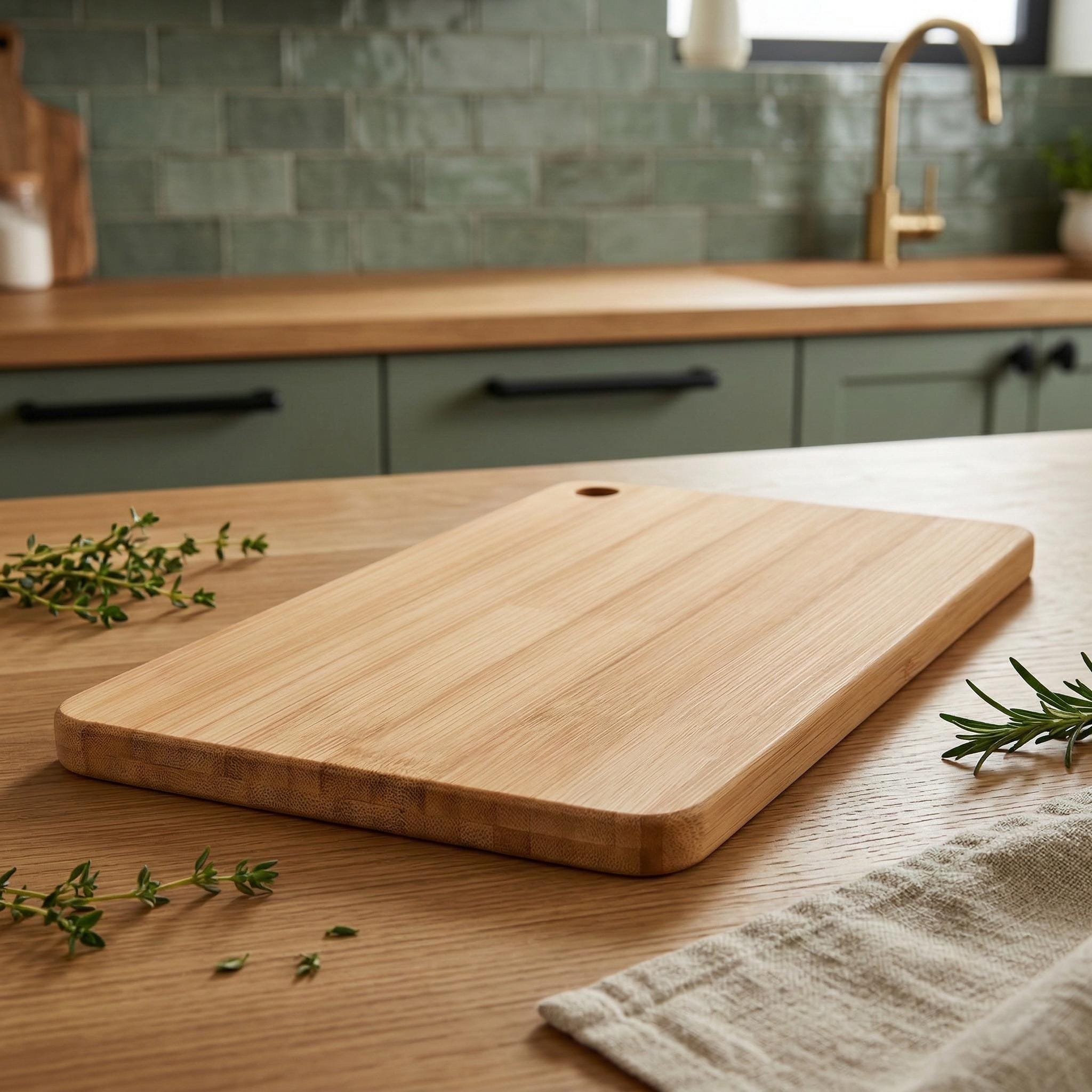
For businesses building a sustainability-focused brand, the products they sell are more than items on a shelf. They communicate a point of view: what the business values, how it designs for everyday use, and how carefully it considers materials and packaging.
Bamboo products can help bring that point of view to life. Their natural appearance, versatility, and potential for practical, reusable designs make bamboo worth considering for homeware brands, retailers, gift companies, and e-commerce businesses. But the material alone does not make a brand sustainable. Product quality, manufacturing choices, packaging, and honest communication all matter.
In this guide, we follow the path from bamboo → product → logo → packaging → brand story and explore how each stage can support credible eco-friendly branding.
1. Why Eco-Friendly Branding Matters for Modern Businesses
Eco-friendly branding is not simply a green color palette or a leaf symbol on a label. It is the way a business connects its environmental intentions with the products, materials, operations, and messages customers encounter.
Growing interest in more thoughtful products
Many shoppers and business buyers now pay closer attention to material choices, product lifespan, packaging waste, and a brand's transparency. Their expectations differ by market and product category, but clear information and useful design can help buyers make more informed decisions.
Turn sustainability into something tangible
A brand promise becomes more meaningful when it is reflected in the product itself. A well-designed household item, for example, can communicate usefulness and care through its material, construction, finish, and packaging—not only through advertising.
Build trust through consistency
When a brand's product design, logo, packaging, and messaging all express the same values, the customer experience feels more coherent. Just as importantly, claims should be specific and supportable. Avoid broad promises such as “100% eco-friendly” unless they can be clearly substantiated.
Key idea: Strong eco-friendly branding connects a clear purpose with real product decisions and transparent communication.
2. Bamboo: A Material That Can Align with Sustainable Brand Values
 Material selection is the starting point: brands should consider both bamboo's properties and the finished product's full lifecycle.
The environmental potential of bamboo
Bamboo is a fast-growing grass, and some species can regenerate from established root systems after harvesting. Depending on the species, growing conditions, land management, and processing method, bamboo can be a useful renewable material option.
However, environmental performance depends on the full product lifecycle. Adhesives, coatings, manufacturing energy, transportation, durability, and end-of-life options can all affect the overall impact. A responsible brand evaluates the actual product and supply chain rather than assuming every bamboo item is automatically sustainable.
Natural aesthetics and versatile applications
Bamboo's grain and warm tones suit a wide range of design directions, from minimal kitchenware to gift sets and everyday home accessories. It can help brands create a natural visual language while still allowing room for distinctive shapes, finishes, and details.
Kitchen & Dining
Cutting boards, serving trays, utensil holders, and selected table accessories.
Home & Lifestyle
Organizers, storage products, laundry accessories, and practical household items.
Tea & Gift Collections
Tea boxes, presentation boxes, and curated gift sets with a natural aesthetic.
Branded Retail Products
Custom-designed items that help a retailer or lifestyle brand build a cohesive collection.
Choose materials with care
Before selecting a bamboo product, consider material traceability, product construction, surface treatments, moisture management, expected use, and durability. Ask suppliers for relevant specifications and documentation where appropriate, and make sure the finished product fits the standards of your target market.
3. From Bamboo to Product: Create a Useful Brand Experience
The next step is translating material choice into a product that customers genuinely want to use. The strongest product concepts begin with the audience and its needs—not with the material alone.
Choose products that fit your target market
A kitchenware brand may focus on cutting boards and serving accessories. A tea retailer may prefer bamboo tea boxes, while a gift company may need coordinated presentation products. Selecting products that make sense for the customer helps keep the range relevant and easier to explain.
Balance functionality and design
Consider how the item will be used, cleaned, stored, transported, and displayed. Smooth finishing, practical dimensions, stable construction, and clear care instructions all contribute to the experience. If a product is intended for repeated use, its performance over time is particularly important.
Develop products around your brand identity
Customization may include dimensions, structure, color, finish, accessories, or coordinated product sets. These decisions can help distinguish a collection while keeping it consistent with the brand's price point and visual style.
- Define the customer and the main use case before selecting a product.
- Prioritize durability, function, and appropriate material specifications.
- Confirm design details and samples before approving bulk production.
- Provide realistic care instructions so customers can use the product appropriately.
4. Custom Logos: Make Bamboo Products Recognizable

Why branding matters on physical products
A logo helps customers identify a product and connect it with the business behind it. On a practical item used at home, at work, or as a gift, a considered logo placement can make the product feel distinctive without overwhelming its design.
Explore suitable logo customization methods
Depending on the product, surface, finish, and artwork, options may include laser engraving, screen printing, or other suitable marking methods. Each has different visual results and production requirements, so the best choice should be confirmed with a sample.
Keep the mark clear and consistent
Consider logo size, placement, contrast, legibility, and how it works with the natural grain of bamboo. A subtle, well-positioned mark can support a premium look, while consistent use across products and packaging strengthens recognition.
Planning custom-branded products? Explore custom branding options to align logo placement and marking methods with your product design.
5. Private Label Packaging: Complete the Sustainable Brand Experience

Packaging is part of the brand
Packaging is often the first part of a product a customer sees. Its materials, structure, print design, and opening experience can reinforce the brand's positioning. For a business communicating sustainability, packaging should be considered alongside the product rather than as an afterthought.
Select packaging for the product and the journey
Paper-based cartons, kraft-style boxes, sleeves, inserts, or other formats may be suitable depending on product weight, fragility, retail requirements, and shipping conditions. There is no single best option for every product. Packaging should protect the item while avoiding unnecessary material and volume where practical.
Balance presentation, protection, and material use
Before choosing a packaging format, consider:
- Whether the package protects the product during storage and shipping.
- Whether the material and components can be separated and handled appropriately after use.
- Whether the package size is suitable for the product and shipping method.
- Whether labels, inks, finishes, and inserts meet the brand's requirements.
- Whether environmental claims about the packaging can be verified in the markets where it will be sold.
For brands developing a coordinated retail range, private label packaging solutions can help bring product presentation and brand identity together.
6. Build a Brand Story Customers Can Understand

Explain why you chose bamboo
Tell customers what led to the material choice and how it supports the product's purpose. Be specific: explain the intended use, the design decisions, and any material or sourcing information that can be substantiated.
Connect the details into one clear story
A compelling brand story does not need to be complicated. It can connect five simple elements:
-
MaterialExplain why bamboo was selected and share relevant, verified material information.
-
ProductShow how the design solves a real customer need and is made for its intended use.
-
LogoUse a consistent visual identity that customers can recognize across the collection.
-
PackagingChoose a presentation format that protects the product and reflects the brand's priorities.
-
StoryCommunicate the choices clearly, without overstating environmental benefits.
Communicate sustainability transparently
Specific statements are generally more useful than vague claims. If you refer to recycled content, certifications, sourcing practices, or reduced packaging, make sure the statement applies to the actual product and can be supported with appropriate evidence. Transparency helps customers understand both what the product offers and what it does not claim to do.
Make everyday products brand touchpoints
When a product is useful, well-designed, and presented consistently, it can continue to represent the brand long after the first purchase. That is the practical role of a product-led brand story: the values are reflected in the experience, not only described in marketing.
7. How to Choose the Right Bamboo Product Supplier
Turning a brand concept into a reliable product range requires a supplier that understands both manufacturing details and the needs of branded products. Before placing a bulk order, review these areas.
Evaluate quality and consistency
Discuss material grades, dimensions, finishing, moisture considerations, construction, and acceptable tolerances. For products with repeated-use requirements, ask how quality is checked and what product-care guidance is recommended.
Confirm customization capabilities
Ask whether the supplier can support product development, logo application, packaging coordination, sample production, and production specifications. Make sure the proposed methods are suitable for the particular product rather than assuming one process works for every item.
Review samples before production
Samples let you assess the real finish, proportions, logo appearance, and packaging fit. Confirm the approved sample and key specifications in writing so they can guide the bulk order.
Ask for relevant documentation
Depending on the product and destination market, request applicable material information, test reports, compliance documents, or certification details. Check that any documents cover the actual product, material, or process being supplied.
Supplier checklist: Product quality · Customization options · Sample approval · Packaging coordination · Clear specifications · Relevant documentation · Consistent communication.
8. Frequently Asked Questions
How can bamboo products support eco friendly branding?
Bamboo products can support a brand's sustainability positioning through thoughtful material selection, useful and durable design, consistent logo application, considered packaging, and transparent communication. The product's actual environmental performance still depends on sourcing, processing, use, and end-of-life factors.
Are bamboo products always environmentally friendly?
No. Bamboo is a renewable material option, but a finished product's impact also depends on adhesives, coatings, manufacturing, transport, product lifespan, and disposal. Evaluate the specific product and avoid assuming that the word “bamboo” alone proves an environmental benefit.
Can bamboo products be customized with a company logo?
Many bamboo products can be customized, subject to their surface, construction, and design. Laser engraving, printing, and other marking methods may be possible. Confirm the method, artwork, placement, and final appearance with a product sample.
What packaging works best for private label bamboo products?
The right option depends on the product, shipping conditions, retail requirements, brand positioning, and local disposal systems. Paper-based boxes or sleeves may suit some products, while others need additional protection. Balance presentation with protection and material efficiency.
How can a business develop its own bamboo product collection?
Start by defining the target customer and product use case. Select suitable products, confirm specifications, review samples, choose logo and packaging options, check quality requirements, and approve the final details before bulk production.
Build Your Sustainable Brand with Custom Bamboo Products
A cohesive green brand is built through many connected decisions—from material and product design to logo placement, packaging, and honest storytelling. If you're planning a new collection or developing private label products, start with a clear brief and a product concept that fits your customers.
Kunknot supports businesses exploring custom bamboo products and branded product solutions for retail, gifting, kitchen, and lifestyle applications.
Discuss Your Custom Bamboo ProjectNote: Environmental benefits vary by product, supply chain, use, and disposal conditions. Review product-specific information and applicable requirements before making environmental claims.
0 comments