How to Prevent Bamboo Products from Mold and Cracking: The Ultimate Guide for Eco-Friendly Brands and Wholesalers
In the modern retail landscape, consumer preferences are shifting rapidly toward sustainability. Driven by growing awareness of global environmental degradation and microplastic pollution, a significant portion of consumers now actively seek plastic-free alternatives. Eco-friendly products are no longer a niche market; they are a dominant force shaping the future of global commerce. Among all sustainable materials, bamboo has emerged as the premier choice for progressive Shopify store owners, Amazon sellers, eco lifestyle brands, and boutique retailers. Its rapid growth cycle, natural beauty, and extreme versatility make it the ultimate weapon for brands looking to differentiate themselves.
However, as e-commerce entrepreneurs and wholesale buyers transition from plastic to organic alternatives, they often encounter a distinct set of physical challenges. Unlike synthetic plastics, which are biochemically inert but environmentally destructive, bamboo is a living, organic material. If not manufactured, treated, stored, and cared for properly, it is susceptible to two notorious industry pain points: bamboo mold and bamboo cracking. A shipment of molded trays or split tea boxes can instantly ruin an eco-brand's reputation, lead to costly customer returns, and trigger devastating bad reviews on Amazon or Shopify. For brands aiming to build a premium, trustworthy image, understanding the science of bamboo care and supplier-level mitigation is an absolute necessity.
This comprehensive guide will arm you with everything you need to know about protecting your inventory and ensuring your customers receive pristine, high-performing bamboo products. We will explore the environmental case for bamboo, dive into the physical mechanisms of cracking and mold, and outline the exact quality-control and manufacturing solutions used by industry-leading partners like Kunknot to deliver resilient, wholesale private-label bamboo products.
Table of Contents
- Why Brands Are Moving Away from Plastic
- Bamboo vs. Plastic: The Sustainable Showdown
- Benefits of Eco-Friendly Bamboo Products
- Popular Bamboo Products for Modern Brands
- Challenges When Switching to Bamboo: Mold & Cracking
- Preventing Mold: The Science & Treatment
- Preventing Cracking: Moisture & Tension Control
- How to Choose a Reliable Bamboo Supplier
- Future Trends in Sustainable Consumer Goods
- Frequently Asked Questions (FAQ)
- Conclusion
Why Brands Are Moving Away from Plastic
For decades, synthetic plastics were the golden child of consumer goods manufacturing. They were cheap, lightweight, easily moldable, and virtually indestructible. But that indestructibility is precisely what has turned them into an ecological nightmare. Today, the world is waking up to the catastrophic environmental problems caused by plastics. From massive ocean garbage patches to microplastics infiltrating our food, water, and even human tissues, plastic pollution has reached an existential crisis level.
As a result, regulatory pressures and platform policies are tightening. Amazon is actively promoting climate-pledge-friendly programs, and Shopify merchants are finding that sustainable storytelling is the single most effective way to lower customer acquisition costs (CAC). Modern consumers, particularly Gen Z and Millennials, do not just prefer sustainable alternatives; they demand them. They are willing to pay a premium for products that align with their personal values. Brands that fail to transition away from single-use plastics are quickly losing market share to agile, eco-conscious startups. Moving to organic materials like bamboo is no longer just an ethical decision—it is a vital business survival strategy.
Bamboo vs. Plastic: The Sustainable Showdown
To truly understand why bamboo represents the ultimate alternative to synthetic plastics, we must look at the technical and ecological metrics. When we evaluate raw materials, we must analyze their entire lifecycle: from harvesting and production to consumption and end-of-life disposal.
| Environmental Metric | Synthetic Plastic | Natural Bamboo |
|---|---|---|
| Renewability | Non-renewable (Petroleum-based) | Highly renewable (Matures in 3-5 years) |
| Carbon Footprint | Extremely high carbon emissions during extraction & refining | Carbon-negative growth; absorbs massive CO2 |
| Biodegradability | Non-biodegradable (Takes 500+ years to fragment) | 100% biodegradable & compostable (6-12 months) |
| Chemical Leaching | Leaches BPA, Phthalates, and microplastics | Completely natural, non-toxic, food-safe |
| Brand Image | Cheap, toxic, disposable, environmentally harmful | Premium, organic, warm, eco-responsible |
The Biodegradability Advantage
When a consumer discards a plastic kitchen utensil, it will linger in a landfill for centuries, fragmenting into hazardous microplastics that poison soil and marine life cycles. In contrast, 100% natural, unfinished or eco-coated bamboo is entirely biodegradable. When exposed to natural soil bacteria and moisture, a bamboo product will break down completely within a few months, returning vital nutrients back to the earth without leaving a trace of toxic residue. This complete circular lifecycle is the holy grail of sustainable product design.
Renewable Sourcing & Carbon Capture
Bamboo is not actually a wood; it is a member of the grass family (Poaceae). Some species of bamboo, such as Moso bamboo (Phyllostachys edulis), can grow up to 3 feet in a single 24-hour period. While traditional hardwoods require 30 to 70 years to mature before they can be harvested, bamboo reaches full structural maturity and maximum tensile strength in just 3 to 5 years.
More importantly, harvesting bamboo does not kill the plant. Traditional forestry practices involve clear-cutting, which destroys forest root systems, accelerates soil erosion, and releases stored carbon. Bamboo, however, grows from an extensive underground root network known as a rhizome system. When a mature culm (stalk) is harvested, the root system remains completely intact, immediately sending up new shoots. This self-regenerating property makes bamboo a virtually inexhaustible resource that actively prevents soil erosion. Additionally, bamboo forests absorb up to 35% more carbon dioxide and release 35% more oxygen than an equivalent stand of traditional trees, making it a critical tool in global carbon sequestration and climate change mitigation.
Benefits of Eco-Friendly Bamboo Products
Beyond its stellar ecological credentials, bamboo offers powerful commercial benefits that savvy brands can leverage to drive customer loyalty and command premium retail pricing.
- Premium Brand Aesthetics: In a sea of generic, injection-molded plastic items, bamboo stands out. Its organic, warm grain patterns, earthy tones, and tactile feel instantly communicate high quality and craftsmanship. It transforms everyday utility items into high-end lifestyle statements.
- High Tensile Strength & Durability: Bamboo is often referred to as "natural steel." It has a tensile strength of 28,000 pounds per square inch, which is superior to many alloys of steel. This structural integrity makes bamboo products exceptionally durable and resistant to impact, outperforming cheap plastics that warp, discolor, or snap under pressure.
- Naturally Antibacterial: Bamboo contains a unique, natural bio-agent known as "Bamboo Kun." This natural compound prevents pest infestation and inhibits the growth of bacteria and microbes on the living plant. This intrinsic property translates directly into finished bamboo kitchenware, making it highly hygienic and resistant to odor retention.
- Seamless Customization and Branding: For private-label brands and Amazon sellers, bamboo offers an incredible canvas. It is highly receptive to precision laser engraving, deep debossing, eco-friendly silk-screen printing, and vibrant UV printing. These techniques allow brands to apply elegant, permanent logos directly onto the product without relying on cheap plastic stickers.
“Eco-friendly branding is no longer about checking a box—it is about creating a tactile, sensory experience that resonates with a consumer's desire for a healthier, cleaner planet. Bamboo does exactly that.”
Popular Bamboo Products for Modern Brands
As the plastic-free lifestyle trend accelerates, brands are expanding their catalogs with high-margin, custom bamboo alternatives across multiple lifestyle categories. Partnering with a specialized manufacturer like Kunknot allows businesses to tap into these high-performing niches with private-label packaging and custom sizing:
Bamboo Kitchenware
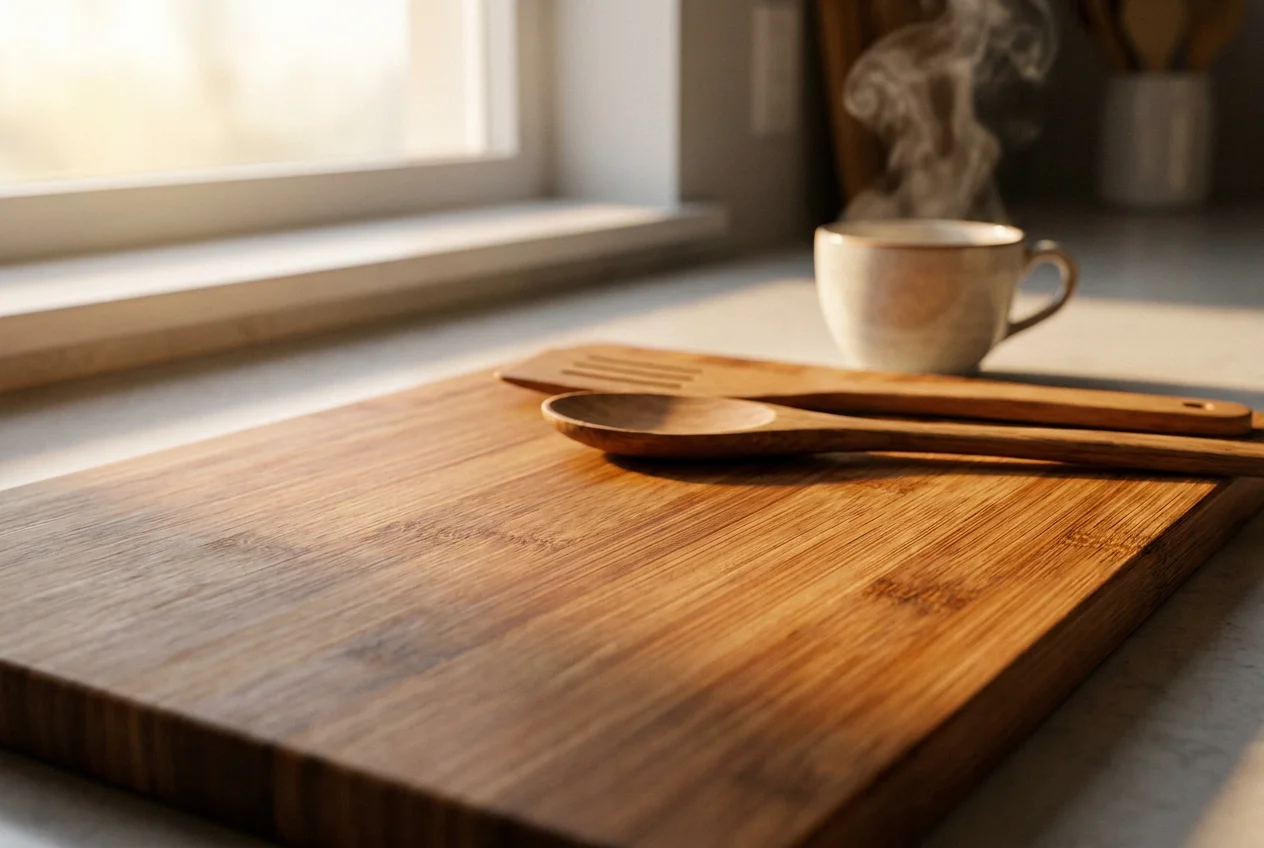
From custom laser-engraved cutting boards and ergonomic salad servers to cheese boards with hidden slide-out drawers, bamboo kitchenware is a massive seller on Amazon and Shopify. Its natural resistance to moisture and odors makes it perfect for food preparation and presentation. Brands can offer matching sets with custom silicone accents (such as toddler suction plates) to appeal to health-conscious families.
Bamboo Packaging & Cosmetic Containers
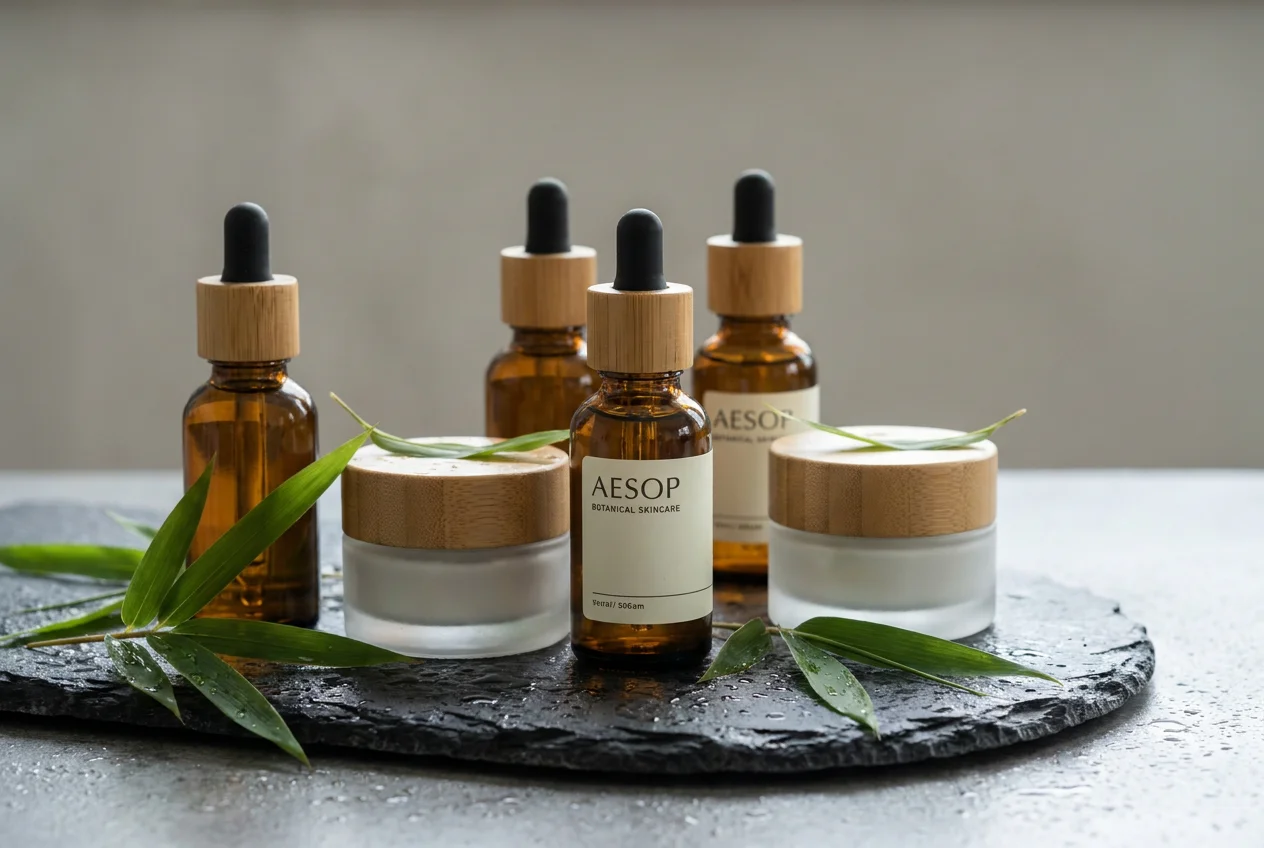
For beauty, wellness, and luxury gift brands, packaging is a critical touchpoint. Replacing cheap plastic lids, dropper caps, and jars with custom-milled bamboo packaging creates an instantly luxurious, organic feel. It elevates skincare jars, essential oil droppers, and lipstick tubes, allowing brands to charge a premium while dramatically reducing their plastic footprint.
Bamboo Trays & Organizers
The desk-organization and home-storage categories have seen explosive growth as remote work becomes permanent. Beautifully crafted bamboo organizer trays, drawer dividers, bathroom vanity trays, and monitor stands provide clean, minimalist organization. These items are highly giftable and perfect for boutique home-decor retailers.
Bamboo Tea Boxes & Gift Sets
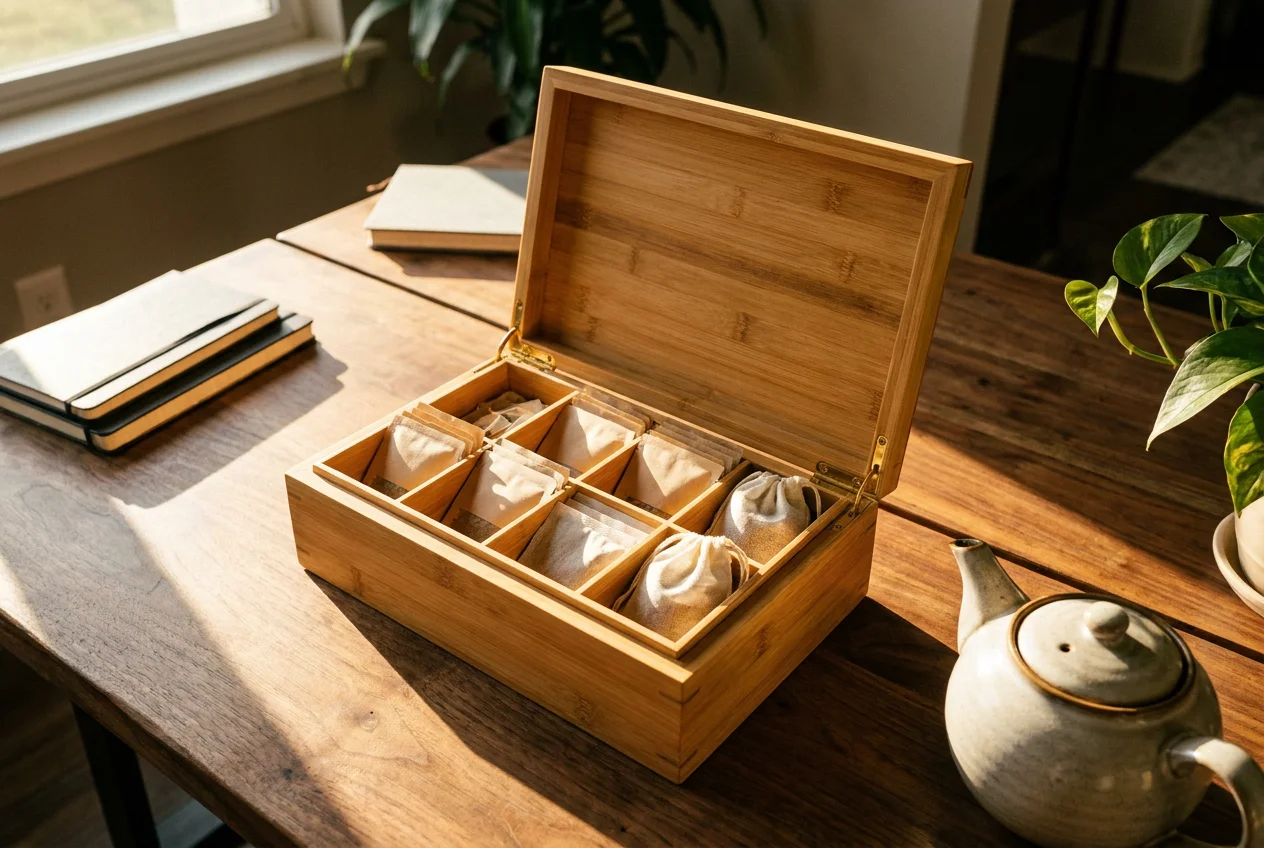
Custom bamboo tea boxes with velvet-lined compartments, magnetic closures, and acrylic viewing windows are highly sought after by corporate gift brands, tea merchants, and high-end retailers. They serve as stunning promotional items and premium retail products that customers proudly display on their kitchen counters.
Challenges When Switching to Bamboo: Mold & Cracking
Despite its many benefits, transitioning to organic materials requires a clear understanding of natural material science. The biggest hurdles that wholesale buyers and e-commerce sellers face are bamboo mold and bamboo cracking. Let us look at why these issues occur from a scientific perspective.
The Science of Bamboo Mold
Like all plants, living bamboo is rich in natural starches, sugars, and organic cellulose. When bamboo is harvested and processed into consumer goods, these natural sugars remain locked within the fibers. Mold spores are present everywhere in the air. For these spores to germinate, colonize, and bloom on a bamboo surface, they require three conditions:
- A Nutrient Source: The natural starches and sugars within the bamboo.
- Moisture: High relative humidity (above 60%) or trapped moisture within the product fibers.
- Stagnant Warm Air: Lack of proper ventilation, which is typical inside closed shipping containers during transoceanic transit or inside tight plastic packaging in unventilated warehouses.
If a manufacturer does not properly extract the natural sugars and reduce the internal moisture content of the bamboo before shipping, the product becomes a prime breeding ground for mold during long transit times across humid maritime routes.
The Physics of Bamboo Cracking
Bamboo is highly anisotropic, meaning its physical properties vary significantly depending on the direction of the grain. Bamboo fibers run vertically along the length of the culm. Because of this linear structure, bamboo naturally expands and contracts as it absorbs and releases moisture from the surrounding environment. This behavior is called hygroscopicity.
If a bamboo product is exposed to rapid fluctuations in humidity and temperature, different layers of the laminated bamboo will expand or contract at uneven rates. This creates severe internal mechanical stress. When the internal stress exceeds the natural bonding strength of the vertical fibers or the adhesive holding the laminated strips together, the material relieves the tension by splitting, resulting in a visible crack. This is especially common when bamboo is stored in extremely dry, climate-controlled rooms (which rapidly draws moisture out of the outer layers) or when exposed to direct sunlight and intense heat.
Preventing Mold: The Science & Treatment
Preventing bamboo mold is a multi-step process that must begin at the factory level and continue through warehousing, packaging, and ultimate consumer care. Here are the professional mold-prevention technologies that premier manufacturers like Kunknot employ to guarantee mold-free shipments:
1. Carbonization & Sugar Extraction (The Factory Baseline)
To eliminate the food source that mold spores crave, raw bamboo strips must undergo a high-pressure hydrothermal carbonization process. By exposing the bamboo to superheated steam (typically between 120°C to 150°C) inside pressurized autoclaves, the natural starches and sugars are caramelized, broken down, and completely washed out of the fibers. This process also darkens the bamboo into a rich, deep caramel tone (known as carbonized bamboo), rendering the material structurally hostile to pest infestation and mold colonization.
2. Precision Kiln Drying
The moisture content of the bamboo must be tightly controlled. Freshly harvested bamboo can have a moisture content of over 50%. After carbonization, the bamboo must be placed into computerized drying kilns, where moisture is slowly and evenly extracted. For export-grade bamboo consumer goods, the optimal moisture content must be brought down to between 8% and 12%. If the moisture is too high, mold will grow; if it is dried too fast or too low, the fibers will warp and crack immediately. Maintaining this precise equilibrium requires highly specialized, modern equipment.
3. Advanced FDA-Approved Eco-Coatings
Once the product is milled and assembled, a protective barrier must be applied to prevent external moisture from penetrating the wood. For kitchenware, this coating must be 100% food-safe and non-toxic. At Kunknot, we use premium, food-grade mineral oils, organic beeswax, and water-based, solvent-free plant varnishes. These eco-coatings seal the porous bamboo surfaces, locking in the optimal 10% internal moisture while repelling external humidity, mold spores, and staining liquids.
4. Plastic-Free, Breathable Packaging & Silica Gel Inserts
Packaging choices are vital. Sealing organic bamboo inside airtight, non-breathable plastic polybags is a recipe for disaster, as any temperature swing during shipping will cause condensation to form inside the bag, triggering rapid mold growth. Instead, brands should use breathable kraft paper boxes, custom cardboard inserts, or cotton bags. Additionally, incorporating high-absorption silica gel packets or clay desiccants inside the packaging is highly recommended to absorb any ambient moisture that enters the packaging during transit.
Preventing Cracking: Moisture & Tension Control
While mold is prevented by extracting sugars and blocking humidity, cracking is prevented by maintaining structural equilibrium, utilizing advanced milling techniques, and educating consumers on proper handling.
1. Advanced Lamination and Structural Engineering
Because solid bamboo is cylindrical and hollow, products must be created by slicing the culm into flat strips, which are then planed, treated, and laminated together under high pressure using premium, non-toxic adhesives. By orienting the grain patterns of adjacent bamboo strips in alternating, perpendicular directions (cross-lamination), the natural expansion and contraction forces neutralize each other. This structural engineering dramatically reduces internal tension, making laminated bamboo boards significantly more resistant to cracking than single-piece solid hardwoods.
2. Proper Warehouse and Shipping Management
During warehousing and oceanic shipping, bamboo products must be stored away from damp concrete floors and direct heat sources. Warehouses should maintain a stable relative humidity level of 45% to 55%. Containers used for shipping must be dry and clean, and cargo should be loaded in a way that allows air to circulate around the master cartons.
3. Proactive Consumer Care Education
Brands should print clear, professional bamboo care tips on their packaging or include a beautifully designed thank-you card. Educating your customers not only prevents returns but also enhances your brand's authority. Here are the essential bamboo care tips that consumers must follow:
- Never Soak in Water: Bamboo products must never be left submerged in a sink. Prolonged exposure to standing water will saturate the fibers, causing them to swell rapidly and crack upon drying.
- Hand Wash Only: The intense heat, prolonged water exposure, and harsh chemical detergents inside household dishwashers will strip away protective eco-coatings, dissolve lamination glues, and warp bamboo instantly. Always hand wash with mild soap and warm water.
- Wipe Dry Immediately: After washing, towel-dry the product immediately and stand it upright in a well-ventilated drying rack to allow air to circulate around all sides.
- Regularly Re-Oil: Just like fine hardwood, bamboo kitchenware benefits from regular conditioning. Instruct customers to apply a light coat of food-grade mineral oil or beeswax once a month using a soft cloth. This replenishes the protective barrier, prevents dryness, and preserves the natural golden luster.
- Keep Away from Extreme Heat: Avoid storing bamboo products near radiators, heating vents, or in direct, intense sunlight, which dries out the wood unevenly and induces structural splitting.
How to Choose a Reliable Bamboo Supplier
For growing businesses, Shopify sellers, and Amazon merchants, your choice of manufacturing partner is the single most critical factor in your product's success. A cheap, low-quality supplier who skips critical kiln-drying or carbonization steps to cut costs will ultimately cost you thousands of dollars in defect rates, returns, and brand damage. When vetting a potential bamboo OEM/ODM supplier, ensure they meet the following professional benchmarks:
- FSC Certification (Forest Stewardship Council): Ensure your partner sources raw bamboo from responsibly managed forests that preserve biodiversity, protect water resources, and respect local communities. Having FSC-certified bamboo allows you to print the FSC logo on your packaging, a powerful trust signal for eco-conscious shoppers.
- Advanced Material Processing & Quality Control: Ask detailed questions about their manufacturing process. Do they perform autoclave sugar extraction? What are their target kiln-drying moisture levels? Do they use computerized moisture meters to inspect products before assembly? A reliable partner like Kunknot conducts multi-stage QC inspections, ensuring every single batch leaves the factory floor with a stable 10% moisture content.
- Flexible Low MOQ Support: Established traditional factories often demand massive order volumes (5,000+ units) that are unattainable for growing brands and startups. Look for a manufacturing partner that offers flexible, low Minimum Order Quantity (MOQ) support (such as 200-500 units) to allow you to validate market demand without tying up excessive capital in inventory.
- Comprehensive Customization & Private-Label Support: Your supplier should offer turnkey OEM/ODM services, including custom size milling, professional laser branding, custom color-matching, and retail-ready sustainable packaging development (such as FSC kraft boxes with custom-molded pulp inserts instead of plastic foam).
Future Trends in Sustainable Consumer Goods
As we look toward the future, the integration of sustainability and technology is accelerating. Consumers are becoming increasingly sophisticated; they can easily spot "greenwashing" (superficial claims of eco-friendliness). Brands that win in the next decade will be those that offer complete transparency, verified sustainable supply chains, and exceptional product quality.
We are seeing rapid growth in smart, hybrid materials—such as combining bamboo fibers with natural starches to create fully biodegradable bioplastics. The demand for plastic-free packaging is expanding from luxury cosmetics into everyday consumer goods, electronics, and shipping materials. By establishing a robust, premium bamboo product line today, and partnering with a forward-thinking, technically advanced manufacturer like Kunknot, your brand positions itself at the very forefront of this unstoppable global shift.
Frequently Asked Questions
Yes, absolutely. Unlike petroleum-derived synthetic plastics which release massive carbon emissions during refining and take over 500 years to degrade, bamboo is a highly renewable, self-regenerating grass. It matures in just 3-5 years, absorbs vast amounts of carbon dioxide during growth, and is 100% biodegradable and compostable, returning safely to the earth within months of disposal.
At Kunknot, we employ a strict, multi-phase mold prevention protocol. First, raw bamboo strips undergo high-pressure hydrothermal carbonization to wash out natural sugars and starches. Next, we utilize computerized drying kilns to bring the internal moisture down to a precise, stable level of 8% to 12%. Finally, we apply food-safe eco-coatings to seal the wood and ship products inside breathable, plastic-free packaging equipped with high-absorption desiccants to handle humidity changes during sea transit.
Cheap bamboo products crack because they are manufactured with unevenly dried raw material or single-direction grain lamination. This causes different sections to expand and contract unevenly as humidity changes, building up mechanical tension that splits the fibers. Kunknot prevents this by strictly drying bamboo to 10% moisture content and utilizing advanced cross-grain lamination, which balances expansion forces and neutralizes internal stress.
While massive traditional factories require very high order volumes, Kunknot is committed to supporting sustainable startups, Amazon sellers, and Shopify brands. We offer highly flexible, low Minimum Order Quantity (MOQ) solutions, starting at just 200 to 500 units for many custom-branded, private-label products, allowing you to scale your business safely and test new designs.
Yes. Kunknot provides full-service OEM/ODM customization. We can mill bamboo into virtually any size, shape, and compartment layout according to your designs. We offer premium branding solutions, including high-precision laser engraving, elegant deep debossing, screen printing, and full-color UV printing to match your brand's unique style.
Yes, all of Kunknot's raw bamboo is sourced from responsibly managed, FSC-certified forests. Our production lines use only non-toxic, eco-friendly glues, and our finished food-contact items (like kitchenware, cutting boards, and trays) are coated with premium, food-safe, FDA-compliant natural mineral oils and beeswax to ensure total safety for consumers.
Conclusion
The global shift toward eco-friendly consumer products is a powerful, long-term economic trend. Consumers are actively choosing plastic-free lifestyles and supporting brands that demonstrate genuine ecological responsibility. Bamboo represents the premier material to capture this demand: it is exceptionally sustainable, structurally superior to many traditional materials, and offers a warm, premium aesthetic that elevates private-label brand perception.
By understanding the science of bamboo care—and ensuring your manufacturing partner utilizes advanced sugar extraction, carbonization, precision kiln-drying, and cross-grain lamination—you can completely eliminate the operational risks of mold and cracking. This guarantees your products arrive in pristine condition, delighting your customers, protecting your brand's reputation, and maximizing your long-term profit margins in the thriving sustainable marketplace.
Launch Your Premium Bamboo Product Line Today
Looking for a reliable, flexible bamboo manufacturing partner to create custom-branded, high-quality products with low MOQs? Kunknot helps growing Shopify brands, Amazon sellers, and wholesalers develop sustainable bamboo kitchenware, packaging, trays, and gift sets with full OEM/ODM private-label support.
Contact Kunknot / Request Samples
0 comments