
Bamboo Product Quality Checklist for Buyers
A practical guide for importers, wholesalers, retailers, e-commerce brands and purchasing teams evaluating bamboo products before placing a bulk order.
When sourcing bamboo products, a competitive price is only one part of the purchasing decision. Consistent material, controlled moisture, clean finishing, accurate dimensions, reliable branding, protective packaging, and a clear quality-control process all influence the final result. Understanding bamboo product quality before production begins can reduce defects, shipping problems, customer complaints, and costly rework.
This checklist is designed to help buyers evaluate bamboo products in a practical, repeatable way. Whether you are sourcing bamboo cutting boards, trays, tea boxes, kitchen accessories, home products, or custom private-label items, the same core quality principles apply.

Why Bamboo Product Quality Matters in B2B Sourcing
A bamboo product can look attractive in a catalog and still create problems after a bulk order is placed. Small differences in material, moisture, dimensions, or finishing may become much more noticeable when hundreds or thousands of units are produced.
For retail brands, quality also affects packaging fit, shelf presentation, customer reviews and brand reputation. For importers and wholesalers, inconsistent products can create additional inspection, sorting and replacement costs. That is why a reliable purchasing process should define quality expectations before production, not after the goods are ready to ship.
Bamboo Product Quality Checklist: 8 Key Areas to Check
Use the following eight checkpoints when evaluating a supplier or approving a bamboo product sample.
Material Quality
Confirm that bamboo material, construction, and overall appearance match the approved specification.
Moisture Control
Ask how bamboo is dried, stored, and checked to reduce avoidable cracking, warping, or moisture-related problems.
Cracks & Defects
Inspect surfaces, edges, corners, joints and structural areas for cracks, splits and damage.
Surface Finish
Check sanding, smoothness, edges, splinters, stains, glue marks and finish consistency.
Dimensions
Measure length, width, thickness, diameter and other critical dimensions against approved tolerances.
Logo & Branding
Verify logo position, size, clarity, color and application method against approved artwork.
Packaging
Check whether individual and master packaging protects the product throughout international transportation.
QC Process
Confirm that inspection is planned before, during, and after production rather than relying on a final visual check alone.
1. Material Quality: What Type of Bamboo Is Being Used?
Product quality starts with the raw material. Buyers should understand what type of bamboo construction is being used and whether the material is consistent from batch to batch. Depending on the product, this may involve bamboo strips, laminated panels, assembled components, or other bamboo constructions.
- Confirm the material and construction method.
- Compare production material with the approved sample.
- Check for obvious inconsistencies in color, grain, or structure.
- Define acceptable natural variation before mass production.
2. Moisture Content: Is the Bamboo Properly Dried?
Moisture is an important quality consideration for bamboo products because bamboo is a natural material. Drying, storage, and production conditions can influence dimensional stability and the risk of defects.
Ask suppliers how the bamboo is dried and how moisture is controlled during production and storage. Establish a measurable moisture-control requirement appropriate for the specific product and application.
3. Cracks, Splits and Structural Defects
Cracks are one of the most important visual and structural checks for bamboo products. Do not inspect only the most attractive front-facing surface. Edges, corners, joints, holes and the underside can reveal defects that are not visible in product photographs.
Check for surface cracks, end cracks, splits, broken strips, loose joints and other signs of structural weakness. If certain small natural marks are acceptable, document the acceptance criteria so the factory and buyer use the same standard.
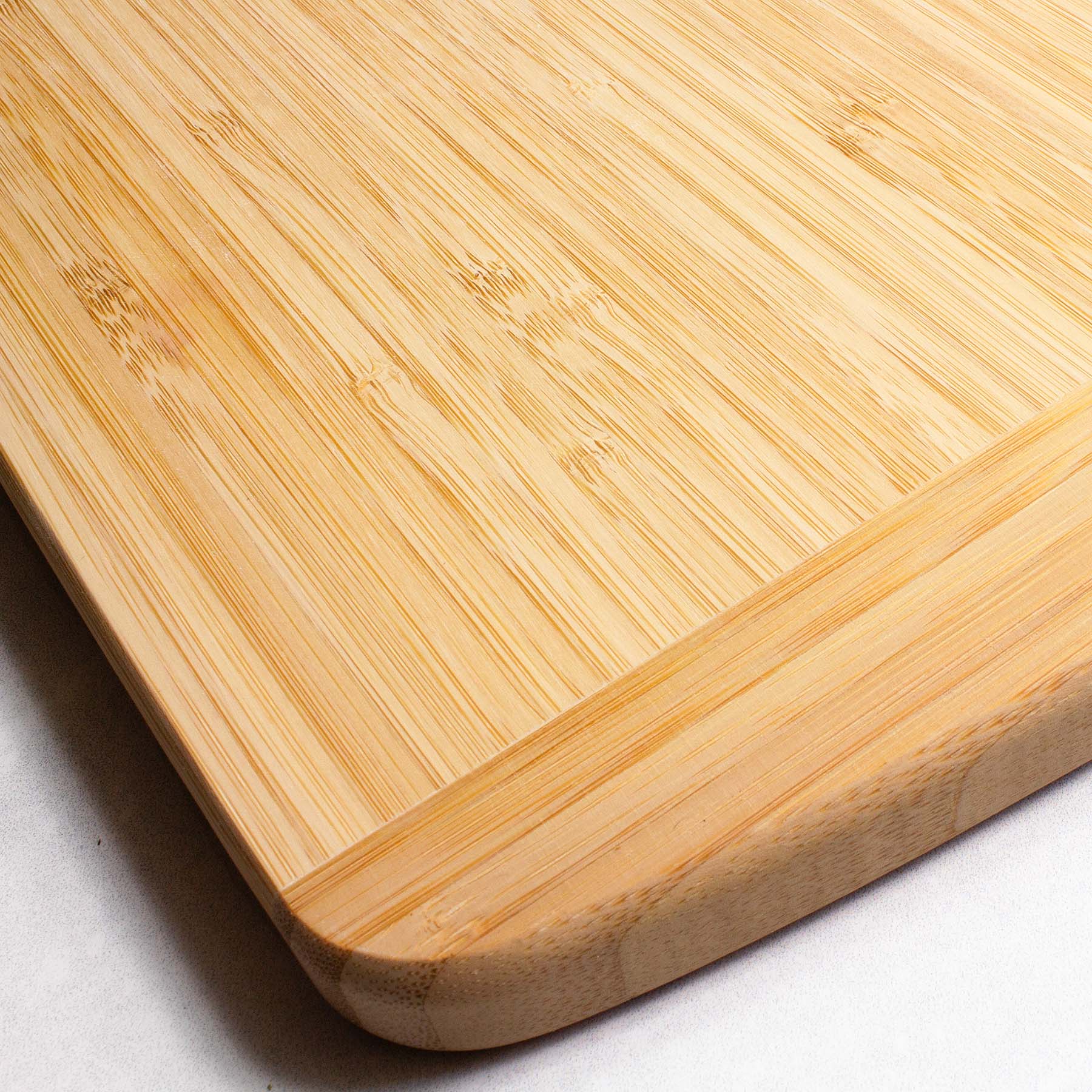
4. Surface and Finishing Quality
Surface quality strongly influences how a bamboo product feels in the hand and how it is perceived on a retail shelf. A product may have good raw material but still feel low quality if sanding, edge treatment or finishing is inconsistent.
- Check whether the surface is smooth and comfortable to handle.
- Look for rough edges, splinters and uneven sanding.
- Inspect for visible glue marks, stains or unwanted residue.
- Compare coating or finishing consistency across multiple units.
- Pay attention to corners and hard-to-reach areas.
5. Dimensions and Tolerances
Dimension consistency is especially important for wholesale and private-label products because the product must often fit packaging, displays, storage systems or other components. Create a product specification sheet that identifies critical dimensions and agreed acceptable tolerances.
| Checkpoint | What Buyers Should Verify | Why It Matters |
|---|---|---|
| Length / Width | Match approved specification and tolerance | Packaging, display and customer expectations |
| Thickness | Consistent across production units | Appearance, strength and fit |
| Weight | Check representative samples when relevant | Shipping cost and product consistency |
| Components | Correct spacing, alignment and assembly | Function and final presentation |
6. Logo and Custom Branding Quality
For a custom bamboo product, the logo is part of the product—not an afterthought. Before production, provide final artwork and clearly define logo size, position, orientation, and application method.
- Check logo size and placement.
- Confirm artwork orientation.
- Check line sharpness and readability.
- Compare branding consistency across multiple units.
- Approve the production method before bulk manufacturing.
7. Packaging Quality
Product quality does not end when the item leaves the production line. Bamboo products may travel long distances before reaching a warehouse, distributor, or retail store. Review both individual packaging and master cartons, including protection for corners and surfaces and the buyer's labeling requirements.
8. QC Inspection: How Should Buyers Check Bamboo Product Quality?
A strong quality-control process is not one final visual inspection. For a custom or wholesale order, quality should be controlled at several stages so problems can be identified before they become expensive.
Pre-Production Inspection
Confirm material, dimensions, finish, logo artwork, packaging and the approved reference sample before mass production begins.
During-Production Inspection
Check representative units for material consistency, dimensions, surface quality, assembly and branding while production is underway.
Pre-Shipment Inspection
Inspect finished goods, quantity, packaging, labels and cartons before shipment. Compare results against the agreed quality standard.
Bamboo Product Quality Checklist for Bulk Orders
Use this checklist as a purchasing specification or discussion guide with your bamboo supplier.
| Quality Area | Buyer Checklist |
|---|---|
| Material | Material type, construction and appearance match the approved sample. |
| Moisture | Drying, storage and moisture-control procedures are clearly defined. |
| Cracks | No unacceptable cracks, splits, broken areas or structural defects. |
| Surface | Surface is smooth, clean and consistently finished. |
| Dimensions | Critical dimensions are measured against approved specifications and tolerances. |
| Logo | Logo size, placement, artwork and application are correct and consistent. |
| Packaging | Individual and master packaging adequately protect products during shipping. |
| QC | Inspection is completed and documented before shipment. |
Common Bamboo Product Quality Problems Buyers Should Avoid
- Inconsistent material: Different color, grain or construction from one production batch to another.
- Excessive moisture: Poor drying or storage conditions may contribute to stability and appearance problems.
- Cracks and splits: Defects that may affect both appearance and structural performance.
- Rough finishing: Incomplete sanding, sharp edges or splinters can reduce perceived quality.
- Incorrect dimensions: Variations that affect packaging, fit, display or functionality.
- Inconsistent branding: Logos that differ in size, position, clarity or orientation.
- Weak packaging: Insufficient protection can result in damage during transportation.
- Inconsistent bulk production: Products that do not match the approved sample or specifications.
How to Work With a Bamboo Supplier to Maintain Quality
Quality is easier to maintain when the buyer and supplier agree on the same definition of “acceptable” before production. A clear specification reduces ambiguity and gives both sides an objective reference.
Provide Detailed Product Specifications
Share dimensions, material expectations, finish, logo requirements, packaging requirements and other critical details in one clear document.
Approve a Pre-Production Sample
Use a physical sample to evaluate material, workmanship, finish, dimensions and branding before authorizing bulk production.
Define Acceptable Quality Standards
Clarify acceptable natural variations, defects and critical dimension tolerances.
Inspect Before Shipment
Verify finished goods against the approved sample and specifications before the order leaves the factory.

Questions to Ask a Bamboo Product Supplier
How do I check bamboo product quality before placing a bulk order?
Start with a physical sample and evaluate material, moisture-control practices, cracks, surface finishing, dimensions, branding and packaging. Then define the same requirements in the bulk-order specification and inspection process.
Why is moisture important for bamboo products?
Bamboo is a natural material, so drying and storage conditions matter. Buyers should ask how moisture is controlled and establish an appropriate requirement for the specific product and application.
What should I inspect on a bamboo product sample?
Inspect the material, construction, surface, edges, corners, dimensions, weight when relevant, logo application and packaging. The sample should become the visual and physical reference for bulk production.
How can I reduce quality problems in a wholesale bamboo order?
Use clear specifications, approve a pre-production sample, define acceptable defects and tolerances, communicate packaging requirements and conduct QC before shipment.
Should a bamboo supplier provide quality control before shipment?
For wholesale and custom orders, a defined pre-shipment inspection process can help identify defects, quantity issues, packaging problems and inconsistencies before the goods leave the production facility.
Why is logo quality important for private-label bamboo products?
The logo is part of the finished product presentation. Consistent placement, size, clarity and application help the final product match the brand's approved design.
Final Bamboo Product Quality Checklist
Before placing a bulk order, review these points one more time:
A reliable sourcing process connects every checkpoint to one approved standard. When the material, workmanship, dimensions, branding and packaging are clearly defined, buyers have a stronger foundation for consistent bulk production.
Conclusion
Good bamboo product quality is not determined by appearance alone. It is the result of controlled material selection, proper moisture management, careful workmanship, accurate dimensions, consistent branding, suitable packaging and a structured QC process.
For buyers sourcing wholesale or custom bamboo products, the most effective approach is to evaluate quality before production, communicate expectations clearly and verify the finished order against an approved sample. This creates a more predictable purchasing process and helps protect both product performance and brand reputation.
Request a Product Sample
Evaluating a bamboo product before placing a bulk order? Request a sample to review material, finishing, dimensions, branding and overall workmanship before moving into production.
Request a Product SampleNote: Bamboo is a natural material, and acceptable variation can differ by product, construction and application. Buyers should agree with their supplier on product-specific specifications, tolerances and quality standards before mass production.
0 comments